Baby Honey Badgers Also Don’t Care

baby-honey-badger

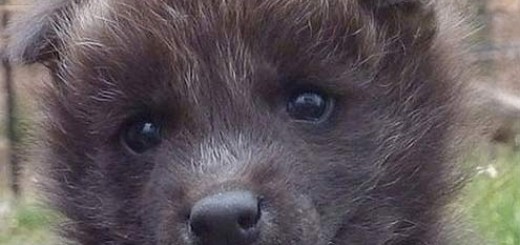
Usually when you see a baby animal, no matter how scary its adult counterpart may be, it tends to be a little ball of cute joy. After all, it’s a baby and has never really seen the world; all it understands is playing and frolicking. However, when you’re a species as renowned for its ferocity as the honey badger, even your babies look a little bit ticked off. The ornery little weasel (literal, it’s a type of weasel) pictured above is just a few months old, and already its making a mean face. Strangely enough, that actually makes it cute to us, as it has no idea that it’s not fully grown yet and is ready to battle at a moments notice! Native to Africa and Asia, the honey badger is known in popular culture for the video it stars in that depicts its tough as nails attitude towards life. It’s always been known however to animal experts because of its tough hide and willingness to do whatever it takes to get food. Honey badgers have been known to get bitten by poisonous snakes just to get a meal, not caring about the fact that they pass out in the process. So yes, this little baby looks pretty huggable, but we probably wouldn’t try to get too close, honey badgers are more of an “admire from afar” kind of baby, and less of the petting zoo type.

baby-honey-badger-picbaby-honey-badger-picsbaby-honey-badger-picture

Posted in Honey Badger | Tagged , , , , | Leave a comment


Rare Black Bear Quints!

mime-attachment

 Native of North America, with populations predominantly in Canada and America (with a few in Mexico), the black bear is the most highly populated bear in the world, which makes this story we are about to share that much more magical. Despite having huge populations numbers, black bear sows (Momma Bears) rarely give birth to more than three cubs at once, and almost never give birth to five; so when bear quints are born, it’s a special occasion. However, it’s the kind of special occasion that no one gets to commemorate because bears are so hard to snap photos of, especially when there’s six of them; getting all six would be quite the chore. However, it’s a chore that one photographer was willing to undertake, and in 2007 he did just that. Upon hearing that five baby bears had just come into the world in the woods of Maine, the dedicated artist spent six weeks studying the group and waiting for an opportunity to document all six of them. Upon getting the above photo, which is easily one of the most adorable family photos in history, the photographer eased off his bear watching for fear that the bears would become too friendly with people and get themselves in trouble. A year later though, the same man set out to once again capture the family unit together, and with what can only be described as magical timing, he did it. The odds of bear quints being born are slim, the odds of getting a photo of them all together are even slimmer, and the odds of getting them all together again is nothing short of a miracle. So enjoy the photo of the bear family as adults, and then go and enjoy some more pictures of cute bear cubs just ’cause!

bears black-bear-cub black-bear-cubs cute-cub

Posted in Bears, Brown Bear Quints | Tagged , , , | Leave a comment

Baby Pangolins Are Adorable Ant Eaters

baby-pangolin

Sometimes babies eat bugs, and sometimes the cutest babies only eat bugs. Such is the case with the baby pangolin, an anteater that’s just a little armor plated tank of cuteness. A native of Asia and Africa’s more tropical regions, the pangolin survives off of an obvious diet of ants, and is known for its ability to curl up into a ball of scales (its scales are made of keratin) when threatened. Also when threatened, these little babies, like all babies, can get pretty stinky. Much like the skunk, the pangolin can emit a noxious gas from its rear when it feels threatened. As good as they are at keeping themselves safe (they also have sharp tails that they use for defense), they’re equally as bad at walking. They have extremely long claws, which force them to walk with their front feet curled under. These claws help them climb though, and they can often be seen hanging out in trees; some species even strip tree bark in order to catch food. Like all anteaters, they have extremely long tongues that they use to lick up ants from inside their hills, in crevasses, and at longer distances. Perhaps the cutest feature of this group of animals, is their practice of clinging to their mother’s tail during their first few weeks of life. However, in burrowing species, the newborns are kept in the burrow during this time. Some popular species include the tree pangolin, the Chinese pangolin, and the long tailed pangolin.

baby-pangolin-picturecute_baby_pangolincute-baby-pangolinPangolin-babypangolin-baby-pictures

Posted in Ant Eater, Pangolin | Tagged , , , | Leave a comment

Baby Sand Cats: Kittens of the Desert

baby_sand_cat

Born to Rotem and Sela, four adorable baby sand cats recently came into the world in Tel Aviv, Israel, giving the country its first group of the species babies in twenty years. The only feline species that can survive in a true desert, the sand cat is known for its ability to go days without water; surviving only off of the liquid nourishment that it gets in its food. Adult sand cats are nocturnal hunters, and are known as swift predators of small rodents and reptiles. Baby sand kittens however, are just flat out adorable, and seem to be primarily on the hunt for affection from their parents.

baby_sand_cat_family

Never growing larger than two feet long, and rarely weighing more than ten pounds, the sand cat is still an amazing survivalist, using its extra think paw fur to insulate itself from the hot sand and cold nights that the desert presents it with. Living primarily in northern Africa, habitat degradation has unfortunately left the sand cat on the “near threatened” list of endangered species. Arranged breedings, like the one in Tel Aviv, are being done in hopes of insuring the survival of the species. We hope that they succeed, because we’d prefer to have many many years of adorable sand cats ahead of us.


baby_sand_cats


cute_baby_sand_cat


two_baby_sand_cats


cute_sand_cat_baby

Posted in Uncategorized | Leave a comment

Best of the Zoos’ Recent Batch

wallaby

lemur

cheetah-cubs

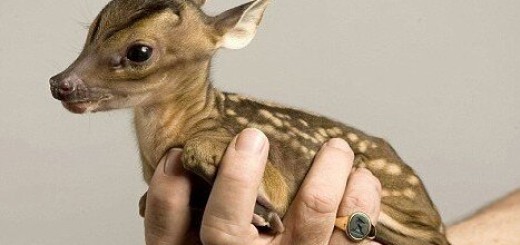
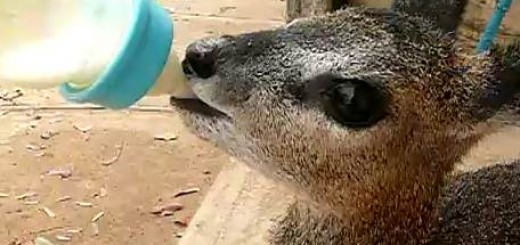
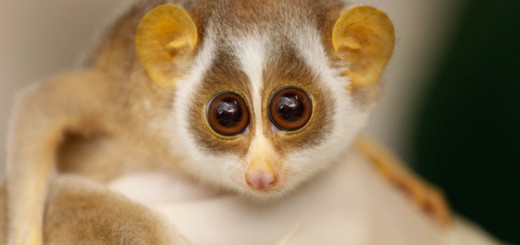
Whether you like the idea of zoos or not, you must like that today more than ever we are able to follow the lives of baby animals. What is wrong with zoos? Well, hopefully your local zoo has excellent facilities and resources to take great care of their wildlife but in the past and in many places around the world the zoos (and private animal keepers) have not been able to provide enough of the proper type of care to keep their various animals healthy and happy. But setting that issue aside, what the proliferation of keeping wild animals captive has allowed us in this age of digital documentation is an unprecedented view at the birth and whole life cycle of a wide variety of creatures in the animal kingdom. Here at this site we are happy to focus on any baby animals in the wild (or domestic breeds) but zoos have given us a great opportunity to capture some kodak moments.

With this gallery we wanted to highlight the amazing variety of animal births happening in zoos every day. For hundreds of years interested seekers fought disease, dangers and difficult terrain to go searching in far-off jungles for a glimpse of some of these animals just to confirm their existence. Now, many 24 hour webcams provide us with a permanent record of every waking (and sleeping) second of many animals’ lives. You may be lucky enough that your local zoo will have some of the young ones on exhibit so go have a look at your earliest convenience. For now, here is a little fix for you of the “best of” highlights of the last year or so.

Posted in Aardvarks, Animal Baby Births, Ant Eater, Bears, Binturong, Bison, Capybaras, dingo, Dolphins, Elephants, Foxes, Giraffes, Hippos, Lemurs, Leopard, Lions, Lizard, Meerkats, Otters, Pandas, Pygmy Hippos, red pandas, Rhino, Spider Monkeys, Wallaby, White Tigers, Zebras | Leave a comment

Clouded Leopard Kittens

Chalk one up for the good guys folks! Also, chalk one up for cute babies, because the recent birth of two clouded leopard cubs at the Smithsonian Conservation Biology Institute is a big win for everyone! Due to the unfortunate hunting and deforestation that has gone on in Southeast Asia, there are currently less than ten thousand specimens of this great species, making them vulnerable for extinction, so any time one is born, the world is guaranteed more time to see these majestic animals in action. Named for its spotted coat, the clouded leopard is a great climber that spends most of its time living in the trees from Indonesia to the Nepali Himalayas; it’s so good at its arboreal lifestyle, that the clouded leopard has been known to hang upside down from tree branches. That’s pretty impressive when you realize that they can grow to over three feet in length, and over fifty pounds in weight!

These particular specimens will have to be hand reared by the professionals at the institute because of some issues the species has shown involving aggression towards one another. However, they have to be careful not to imprint on the cubs (create a maternal or paternal bond) because this would make it difficult for them to integrate with others of their kind as they got older. Once they’re of age, they will be sent to another conservation institute where they can live fun and productive lives amongst their kind. The two babies are a boy and girl; we’re unsure if they’ve been named yet, but we’re hoping they decide on “Donnie and Marie”.

Posted in Cats, Leopard | Tagged , , , , , , , , , , , , , , , , , | Leave a comment

Baby Gray Whales!


The phrase “It was a day old, tiny baby” normally wouldn’t make sense when referring to a creature that’s already 11 feet long, but when you’re discussing a baby gray whale sighting, it’s more than appropriate. A baby calf of this size was recently spotted off the coast of Dana Point in California, and marine biologists used its length and physical activity pattern to estimate its age. Seen on the first day of its possible seventy year life span, the calf was still learning how to function, and could often be seen riding on its mother’s back. Gray whales put on about sixty pounds a day until they reach maturity, and eventually end up weighing upwards of fifty tons. Length wise, they reach over fifty feet. As adults, they usually live off the northern coasts of North America, migrating south to give birth in the warmth. Gray whales enjoy a good relationship with humankind, as the two have minimal dealings with each other. A calf of such a young age is a rare sight in Dana Point, as they’re usually seen on their return from southernmost Baja. This particular cute baby sea creature appeared to have been born right off the coast; we guess he just couldn’t wait to enter the world!

Posted in Whale | Tagged , , , , , , , , , , , , , , , , , , , | Leave a comment

Baby Musk Oxen: They Reek Of Adorable

Primarily residing in Arctic Canada, Greenland, Sweden, Siberia, Norway, and Alaska (the last four are introduced populations), the Muskox is a creature that isn’t known for the best reasons. For starters, it’s known for its peculiar horns that actually dip down off of its head ;they give the appearance of the muskox having a hair part. Secondly, the males of the species are known for their strong musky odor (hence the name); used to attract females for mating, but considered gross by everyone else. However, baby muskox are some of the cutest things on four legs, as they look more like capybarra-inspired teddy bears than any sort of of bovine creature. Although adults reach over eight feet in length, the average baby is less than a third that size, and lacks the distinctive horns of its breed. Muskox have walked the earth for over two hundred thousand years, and remain one of the only species from prehistoric times to still thrive in the modern world. This tells us that these babies aren’t just cute, but they’re also good survivors and tough creatures. When full grown, a muskox will weight up to nine hundred pounds, and is expected to live between twelve and twenty years. There are currently between eighty and one hundred and twenty thousand muskoxen in the world.

Posted in Hooved Beasts, Musk Oxen | Tagged , , , , , , | Leave a comment

Chester Zoo Welcomes New Guests

If we told you that a baby human was eating thirty thousand ants a day, you’d probably call child services, but for some reason, when it’s a baby Giant Ant Eater, it’s actually pretty adorable. Just take this little guy or girl for example. Recently born at the Chester Zoo to Pedro and Bliss, this little bundle of cute doesn’t have a name yet because its gender won’t be known until it detaches itself from its mother’s back. As a defense mechanism, baby ant eaters latch onto their mommas’ tail and blend in with the rear stripe. When this little one grows up, it will have a tongue that’s over twenty four inches long, that can lick one hundred and fifty times per minute! Giant ant eaters are the largest species of ant eater in the world, so he or she still has some growing to do. Born as part of an international breeding program, it’s only the second member of its species ever born at the Chester Zoo.

Posted in Aardvarks, Ant Eater | Tagged , , , , , , , , , , , , , , , , , , , , , , , , | Leave a comment

Axolotl – Permanent Juvenile and Smile

Rarely growing larger than a foot (30 centimeters) in length, the Axolotl is one of nature’s smaller bundles of amazing. A critically endangered species thanks to water pollution and predatory introduction in their native Mexico, these amphibians are a species of salamander that never undergoes metamorphosis and therefore remains gilled and aquatic for its entire life. They prefer to stay submerged in the Mexican lakes in their larval stage (like the tadpole stage of frogs and toads) rather than grow up and walk the land. So the baby animal grows (but not that much) and then remains in its juvenile aquatic state its whole adult life. Can you imagine remaining a teenager with oversized ears and nose your whole life?

Also known as Mexican Walking Fish, Mexican Salamanders, and “Water Monsters”, these creatures are known for their ability to regenerate almost any part of their bodies, including arms, legs, vital organs, and even parts of their brain. This has led to them being bred in large numbers in captivity and used in research. They’re also known for their interesting method of feeding; as they sense prey such as worms, insects, and small fish by smell and them “snap” at them by essentially taking a super powerful deep breath and sucking them into their stomachs. They also possess external gils, have no eyelids, and tend to have a “smile” all the time.

Axolotl’s are neotonic, meaning they can each sexual maturity despite their aforementioned lack of metamorphosis. It’s believed that this is a survival mechanism developed so that they could better thrive in mountain and hill environments where a larger creature would run out of food sources. In addition to being bred for research purposes, Axolotls are also bred as pets because of their interesting appearance (external gills, long body, tiny limbs), and can be found on the shelves of pet stores in places like Tokyo and other large Asian cities.

Posted in Amphibians | Leave a comment